Menu

Sustainability in Digital Art: Ecological Practices for Modern Creators

Digital artists are embracing sustainability by incorporating eco-friendly practices into their work. From utilizing renewable energy and energy-efficient software to championing digital exhibitions, they are reducing their environmental impact. This shift highlights art's potential as a powerful tool for ecological advocacy and inspiring change within communities.

The Evolution of Digital Art: From Traditional Painting to NFTs

The evolution of digital art reflects a significant shift from traditional painting to innovative platforms like NFTs. This transformation challenges perceptions of ownership and value while expanding artistic expression through technology, social media, and new economic models. As accessibility increases, so does the dialogue on authenticity and sustainability in the art world.

The Intersection of Digital Art and Augmented Reality: New Creative Frontiers

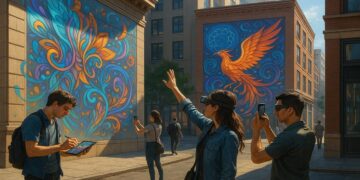
The fusion of digital art and augmented reality is revolutionizing artistic expression, allowing for immersive interactive experiences. This innovative blend expands creative possibilities, enhances global connectivity, and democratizes art access, transforming how artists and audiences engage with art and redefine its value in contemporary society.

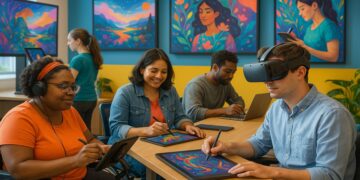
Digital Art and Inclusion: How Artists from Different Backgrounds are Shaping the Future

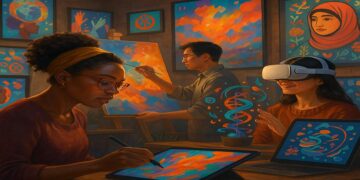
The article explores how digital art and inclusion are reshaping the creative landscape, highlighting artists from diverse backgrounds who leverage technology to tell their stories. It emphasizes the importance of access, collaboration, and cultural narratives in fostering a vibrant, equitable art community that resonates globally.

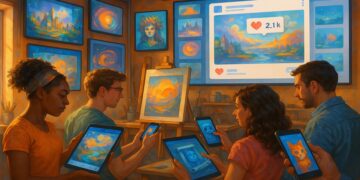
The Influence of Social Media on the Dissemination of Digital Art

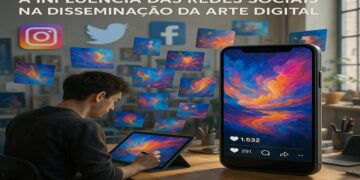
Social media has transformed the dissemination of digital art, enabling artists to engage audiences directly, bypass traditional gatekeepers, and cultivate vibrant communities. This innovation fosters accessibility, real-time feedback, and economic opportunities, reshaping how art is created, marketed, and valued in the contemporary landscape.

The Revolution of Digital Art: How Technology is Transforming Creativity

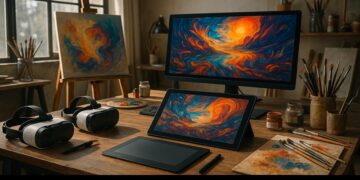
The rapid evolution of technology is reshaping creativity, particularly in digital art. Tools like AI and immersive technologies enable artists to expand their expression and accessibility, while platforms such as NFTs offer new ownership models. This transformation fosters diverse artistic voices and invites global engagement, redefining modern artistic practices.

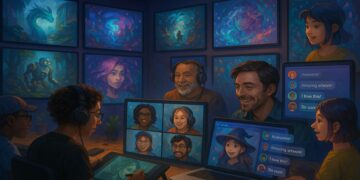
Online Communities of Digital Art: Connecting Artists and Fans in a Virtual World

Online communities of digital art revolutionize connections between artists and fans, fostering collaboration, exposure, and feedback. These platforms democratize art, enhance visibility for emerging talent, and create supportive networks. As technology evolves, they further enrich artistic expression, enabling diverse voices to thrive in a global art landscape.

Digital Art and Accessibility: How Technology is Democratizing Artistic Creation

Explore how technology is democratizing artistic creation through digital art, making it accessible to diverse voices. Affordable tools, online platforms, and vibrant communities empower creators, breaking down financial and educational barriers. This shift fosters inclusivity and social change, enriching the art world with varied perspectives and narratives.

How Social Media Revolutionizes Digital Art Showcase and Sales

Social media transforms digital art by connecting artists with global audiences, providing a dynamic platform for creators to showcase their work. It enables artists to engage directly with fans, foster creative communities, and access innovative sales channels, allowing digital art to flourish beyond traditional galleries.

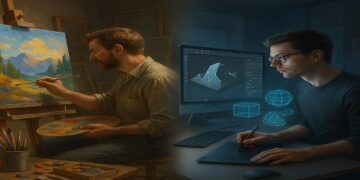
Digital Art Evolution From Traditional Painting to 3D Creations

The evolution of digital art has transformed creative hobbies, merging classical techniques with modern technology. Artists are now exploring new dimensions with 3D creations, enhancing creativity and accessibility. This transformation invites artists to experiment with innovative tools, reimagining traditional art forms in vibrant digital landscapes.